Innovative Architect Designs: Unlocking the Benefits of Expert Architecture Services
Revolutionary architectural designs serve a critical function in shaping today's built environments. By prioritizing environmental responsibility and practicality, architects can create spaces that align with community needs. Combining smart technologies and eco-friendly materials optimizes resource consumption while promoting meaningful connections. As these designs evolve, they adapt to occupant demands and celebrate cultural traditions. A key inquiry persists: in what ways do these factors combine to transform our built environments and uplift community standards?
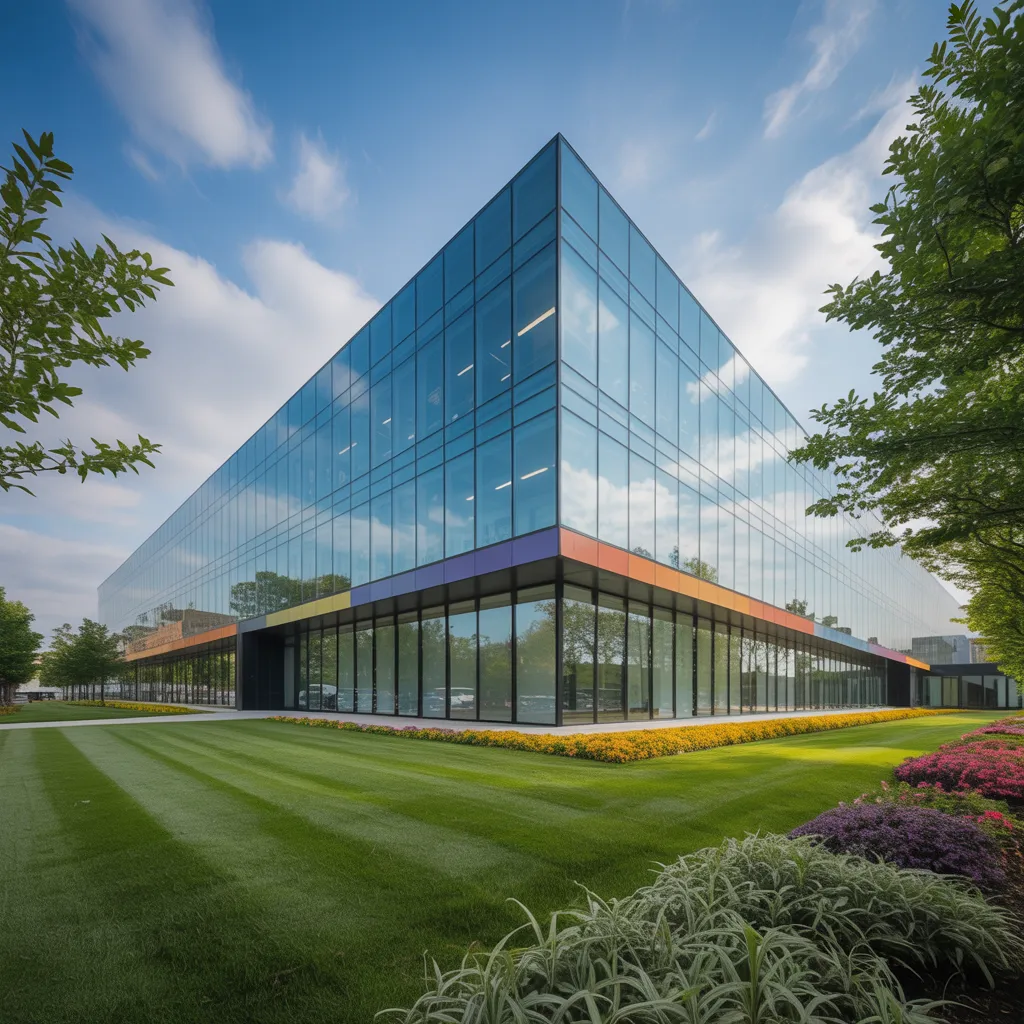
The Importance of Architects in Developing Sustainable Spaces
Architects hold a pivotal role in the creation of green spaces, substantially influencing the environmental outcome of built environments. Their expertise allows for the inclusion of environmentally responsible materials, energy-saving systems, and progressive design concepts that minimize resource consumption. Through a focus on sustainability, architects are able to develop structures that reduce carbon footprints and enhance energy performance.
Partnership with engineers and environmental specialists is vital in this undertaking, ensuring that both aesthetic and functional criteria are met by designs while maintaining eco-friendly standards. Moreover, the surrounding ecosystem is carefully considered by architects, promoting biodiversity and incorporating natural elements that encourage a balanced connection between built and natural environments.
Through deliberate strategy, architects promote the use of clean energy alternatives, such as wind or solar energy, which also supports environmental goals. At its core, their influence stretches well past construction; architects define the evolution of urban spaces by fostering a commitment to environmental stewardship and responsible design.
Leading Innovations in Architectural Design That Boost Functionality
A wide range of developments in modern architecture are transforming the functionality of today's built environments. One significant breakthrough is the implementation of advanced technology, allowing buildings to adapt to users' needs through intelligent lighting, temperature regulation, and security features. This improvement leads to greater energy savings and enhanced occupant comfort.
In addition, modular assembly techniques are rising in adoption, facilitating more rapid construction and improved design adaptability. These buildings can be conveniently restructured or enlarged, rendering them ideal for a wide range of applications.
The concept of biophilic design, which weaves elements of nature into architectural design, promotes well-being and productivity, nurturing a bond between inhabitants and the spaces they inhabit.
Furthermore, open floor plans are increasingly popular, enabling flexible spaces capable of accommodating various activities.
Finally, sustainable materials are being utilized not only for their eco-friendliness but also for their attractive appearance and resilience, elevating the general efficiency of modern constructions. Together, these advancements lead to more flexible and effective architectural designs.
How Design Brings Communities Together
Planning serves a fundamental purpose in cultivating bonds within residential areas, creating environments that encourage engagement and cooperation among community members. Carefully planned parks, public squares, and community zones act as indispensable social hubs, encouraging community interaction and a feeling of community. Structural characteristics such as expansive floor plans and multifunctional spaces provide opportunities for local activities and initiatives, elevating the collective living experience.
Furthermore, designs that integrate local culture and history create a distinctive sense of identity, helping residents feel more connected to their environment. By prioritizing accessibility and inclusivity, architects confirm that all community members, regardless of age or capability, can be involved in community life.
The incorporation of natural features, such as verdant areas and communal spaces, greatly enhances the communal living experience, offering residents a sanctuary and a space for collective recreation. At its core, deliberate architectural design not only transforms physical spaces but also strengthens the bonds that hold communities together.
Improving Energy Efficiency Through Skilled Architecture
A significant shift in favor of energy conservation is revolutionizing the architecture landscape, driving the development of groundbreaking solutions that lessen environmental consequences. Expert architecture services serve a vital function in this shift by integrating sustainable practices into the design process. These architecture specialists evaluate energy usage trends and apply advanced materials, such as high-performance insulation and high-performance glazing, to decrease thermal energy demands.
Furthermore, the adoption of sustainable energy solutions, like solar installations and geothermal technologies, not only reduces reliance on fossil fuels but also decreases operating expenses for property managers. Modern smart building solutions further enhance energy efficiency, providing live tracking and optimization of energy consumption.
Through meticulous planning and innovative design, expert architects create spaces that not only adhere to rigorous environmental standards but also foster long-term sustainability. This emphasis on energy efficiency ultimately supports a more sustainable planet and stronger communities, highlighting the essential role of architecture in tackling climate change.
Successful Urban Landscape Transformations
A prime illustration is the revitalization of neglected waterfront areas into dynamic community spaces, equipped with walking paths, parks, and cultural installations. These changes do more than improve the scenery, as they also invigorate regional economies by attracting visitors and businesses.
Beyond this, skilled urban design takes into account the distinctive features of a neighborhood, making certain that each redesign captures its past and essence. This customized strategy nurtures a sense of connection among residents, encouraging guardianship of the area. In the end, thriving urban landscape projects demonstrate the ability of architectural innovation to transform the urban environment and support environmentally conscious communities.
Where Is Innovative Architecture Headed?
How can innovative architecture continue to adapt and respond to the evolving needs of society? As cities become progressively more complex, architects are called upon to confront significant challenges like sustainability, affordability, and social equity. Emerging technologies, including artificial intelligence and advanced materials, offer new avenues for design, enabling more efficient construction processes and enhanced energy performance.
Moreover, architects are continually engaging with diverse stakeholders, from local communities to environmental experts, guaranteeing that presentation plans embody the values and needs of the people they serve. Such an inclusive strategy builds resilience, permitting designs to accommodate changing climate conditions and societal demands.
Furthermore, the adoption of principles of biophilic design supports wellness, linking residents to the natural world. As the field of architecture advances, the focus on innovative solutions will stay at the forefront, inspiring the field to develop areas that are as functional as they are transformative for generations to come.
Frequently Asked Questions
How Do Architects Collaborate With Engineers on Projects?
Engineers and architects work together by merging creative designs with technical demands, guaranteeing structural soundness and performance. Scheduled meetings promote effective dialogue, allowing both disciplines to address challenges and advance project success through combined expertise and forward-thinking strategies.
What Are the Expenses Involved in Hiring an Architect?
The costs associated with hiring an architect typically include design costs, project oversight fees, and possible extra charges for on-site visits or consultations. These costs can vary considerably depending on the complexity of the project and its location.
What Is the Typical Duration of the Architectural Design Process?
The architecture design workflow typically takes a few months, subject to project complexity and client requirements. Elements including permits, revisions, and contractor coordination can also influence the overall timeline, commonly adding considerable time to the process.
Are Architects Able to Assist With Zoning and Permit Applications?
Absolutely, architects are able to help with zoning applications and permit requests. Their knowledge helps manage complicated regulatory requirements and guarantees adherence to local building codes, simplifying the overall process and boosting the prospects of receiving the needed permits for construction projects.
What Qualifications Should I Look for in an Architect?
When selecting an architect, one should prioritize qualifications such as relevant experience, proper licensing, educational background, effective communication abilities, and a portfolio showcasing creativity and problem-solving skills. Specializations may also be relevant depending on project needs.